Essay · Autonomy
Show me the incentive and I will show you the outcome
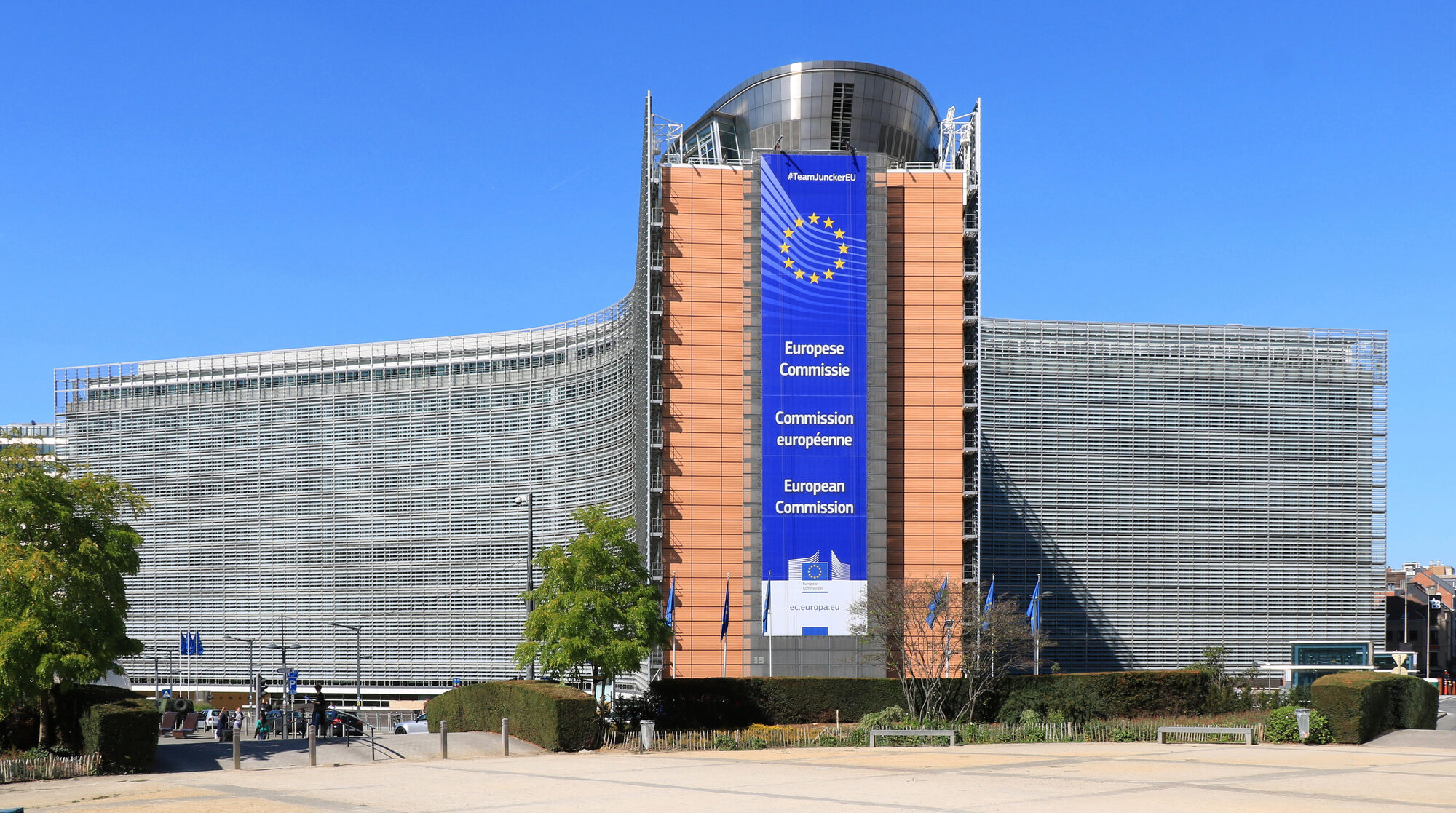
Five EU countries already let Tesla's supervised FSD drive. On 6 October a committee in Brussels votes on whether the rest of the Union may have the same safety. The wait is built into the system.
The average European defence of the institutions sounds like this: civil servants work with knowledge, integrity and a strong sense of safety and of the interests of us all.
It is a generous sentence. In the Netherlands it comes with a Calvinist reflex on top, one that treats the institution as the moral adult in the room and the entrepreneur as the one who needs supervising. I understand where it comes from. I also think it describes an intention, and in the systems I want to talk about, intention counts for very little.
My own experience with government, at municipal, provincial, national and EU level, as a business owner and as a citizen, is different. A small example: I waited two years for a charging point at my house because nobody had requested it during construction. I have a long list of these. But the individual civil servant is not the interesting part. The system behind them is. One line explains most of what I have seen: show me the incentive and I will show you the outcome.
What the civil servant is paid for
Plenty of people in public organisations want more than their pay slip and work hard to do things well. In my experience those are exactly the people the system wears down.
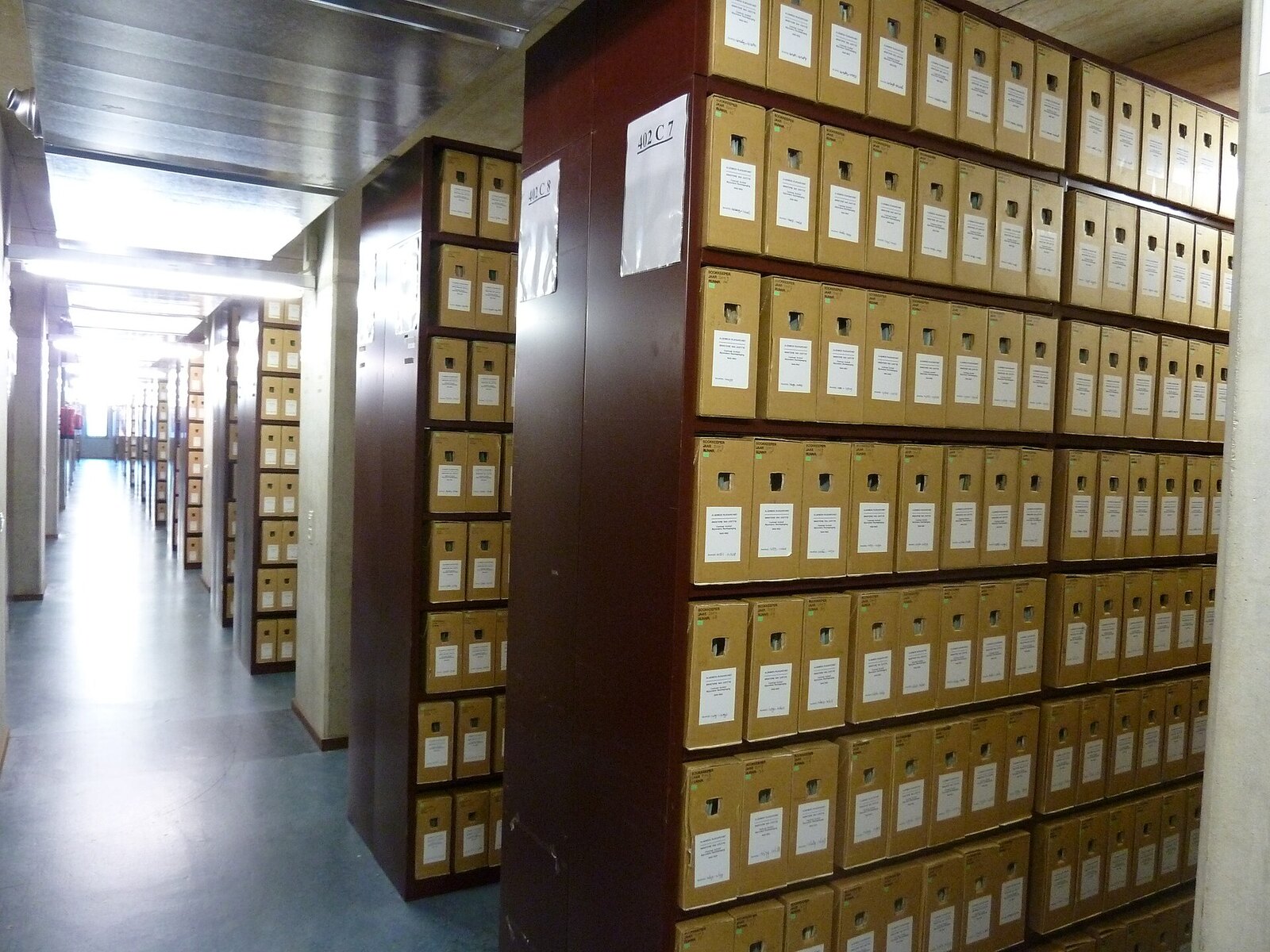
A civil servant is never rewarded for the deaths that did not happen. He is judged on the crash that carried his signature. So rejecting, delaying, asking for one more memo, sending it to the committee first: that is how you survive. And when people can barely be fired, the strategy never dies out. That habitat does not produce wisdom. It produces what Scott Alexander calls Moloch.
Moloch is the god in the Bible to whom children were sacrificed. Allen Ginsberg turned him into the machine that devours. Scott Alexander used the name for an equilibrium nobody voted for: everyone acts rationally, the collective result is bad, and whoever unilaterally does the right thing loses. Nobody in the chain needs bad intentions for this to happen. Waiting is what the habitat pays for.
Small organisations partly escape this. They can see a mistake, replace someone, change course. A committee of 27 member states served by staff who cannot be dismissed cannot. Politics and bureaucracy maximise budget, status and deniability, not the public interest.
Nassim Taleb, in Antifragile, adds the missing piece: no skin in the game. The person making the decision does not die in the crash he postpones. And the relevant knowledge is not in a memo. It is in millions of real kilometres.
The case in front of us
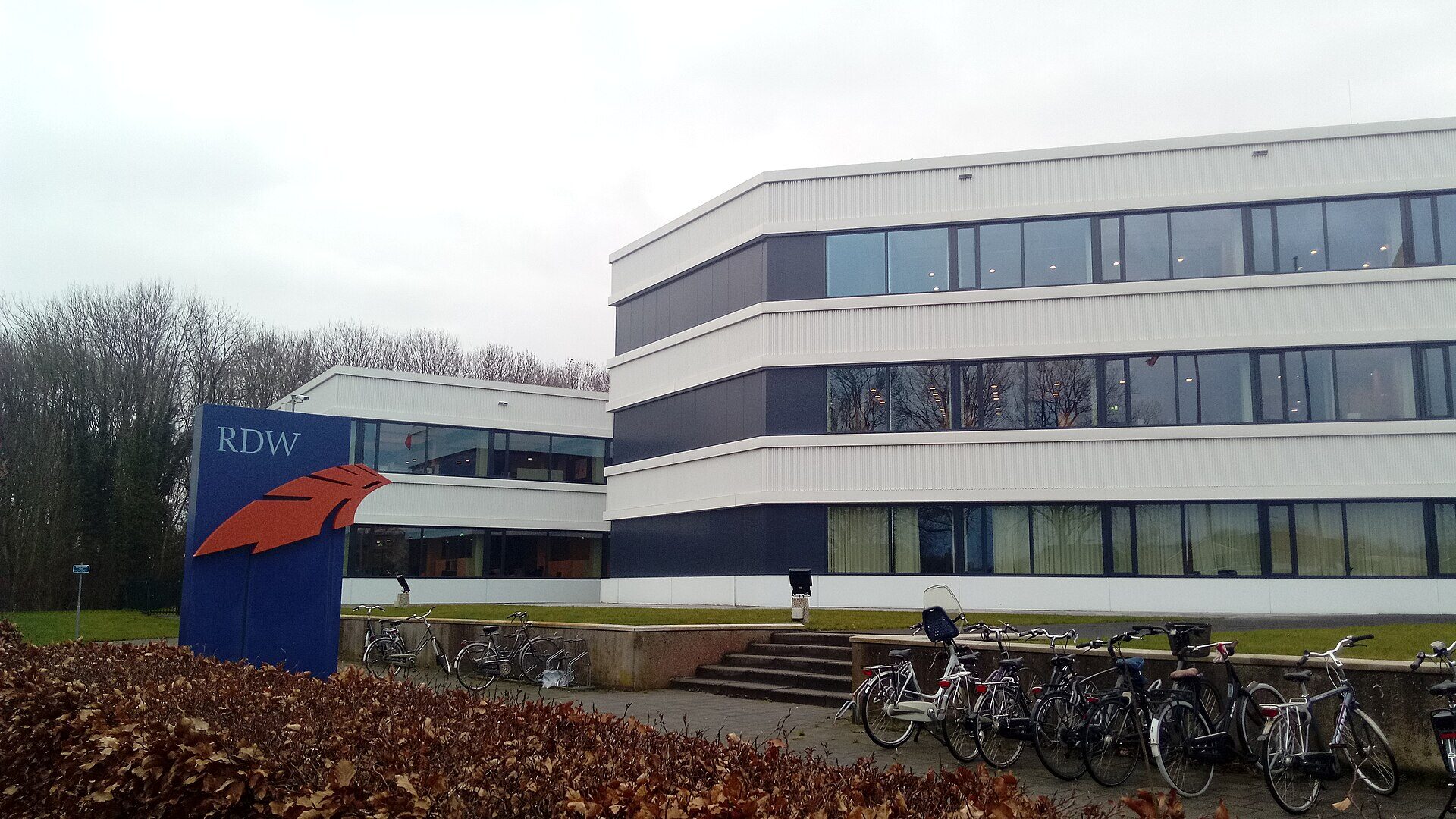
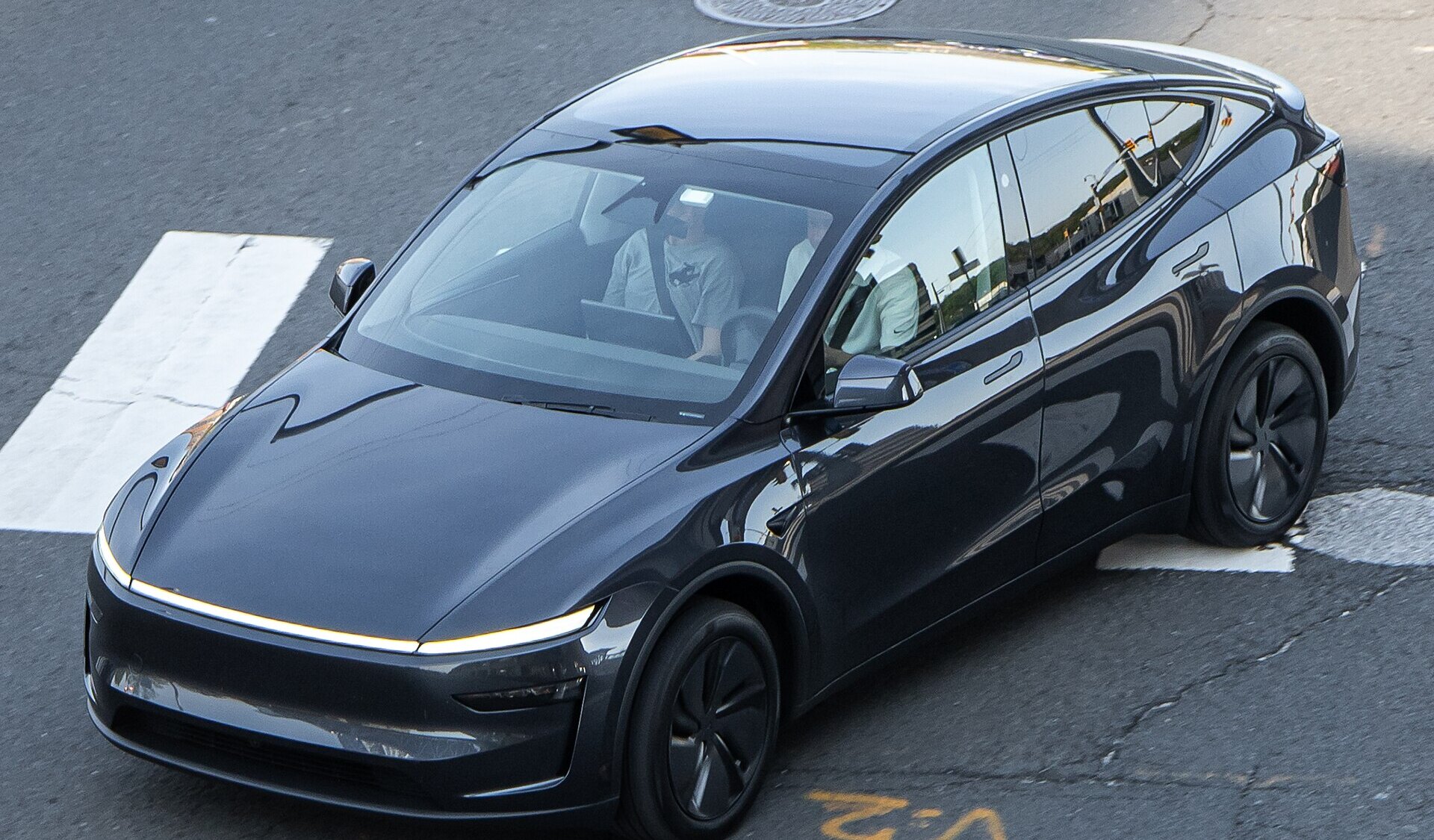
Tesla’s Full Self-Driving in Europe is still supervised Level 2. The car steers, accelerates and brakes; the driver stays responsible. Tesla had to bend the design towards UN Regulation 171 and request an Article 39 exemption for the behaviour that does not fit inside it. The RDW, the Dutch vehicle authority and a relatively compact technical service, tested for 18 months: more than 3,000 hours on track and road, more than 1,000 of its own runs, 1.6 to 1.8 million kilometres of EU test driving.
On 10 April 2026 the Netherlands approved it. By June there were around 40,000 cars on the road with 24 million kilometres driven, no relevant incidents, and monthly monitoring instead of yearly. Lithuania, Estonia, Denmark and Belgium followed. Five countries now, more than 70,000 users, more than a million kilometres a day. Tesla has since published the figures that were already on the member states’ desks in April: over roughly 100 million kilometres on EU roads, 4.1 times fewer collisions than manually driven Teslas.

Set that against the baseline. Europe counted about 19,400 road deaths in 2025, roughly 53 a day, mostly human error. You do not compare FSD with a world without accidents. You compare it with fatigue, distraction and a second too late.
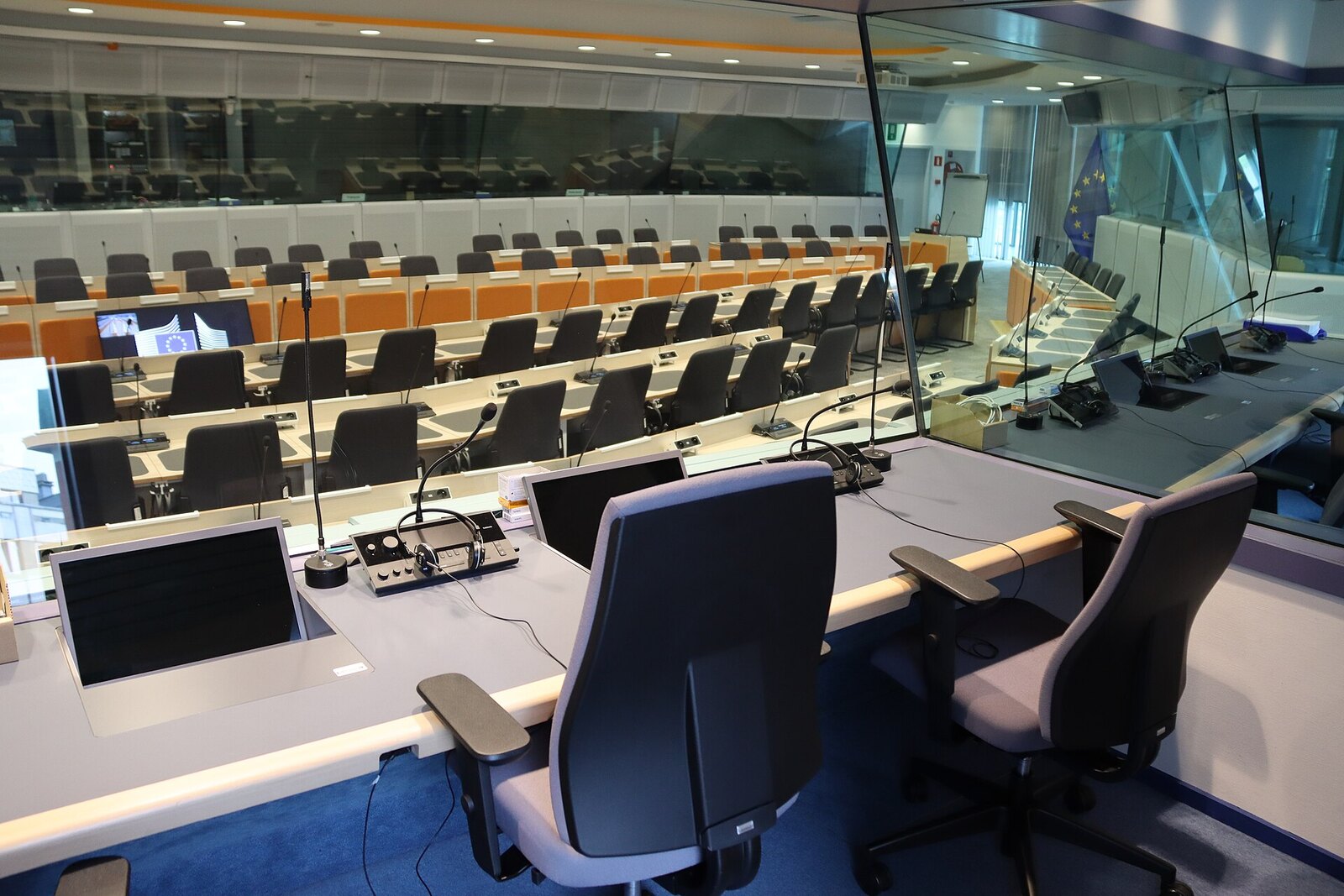
And yet on 6 October a committee in Brussels still has to vote on whether the rest of the Union may have the same safety. The data is not what is missing. The machine is built to suppress variation until everyone has ticked the same form. Germany, France, Spain: same physics, and the file has been sitting there for months. UN R171 did not quite fit, so Article 39 exemptions, so the Technical Committee on Motor Vehicles, so a qualified majority, so the countries already running the experiment wait for the countries that do not want it to update their paper reality.
This is the separation Taleb describes, between the person who decides and the person who carries the consequences. The regulator does not die in the crash he delays.
Andreas Kinneging, who writes a great deal about the state, would call it policy made from a paper habitat while the organism is already driving around on the street.
If safety were the goal, the lesson of April to September would have been simple: scale what already drives more safely, keep a finger on the pulse, publish the numbers.
Same people, different game
Jason Brennan is a political philosopher at Georgetown and the author of Against Democracy. He stands in the public choice tradition: do not look at what people in politics say they serve, look at the game they are in. His interview “Everything Wrong With Democracy” on YouTube is a good introduction.
A civil servant or a minister is not a better kind of human because of the office. It is the same person you find in a company or a sports club: limited, status-conscious, afraid of blame, sometimes principled, sometimes lazy. What changes is the reward. In a market you are judged by customers walking away. In the state you are judged by budget, hierarchy, parliamentary questions and the crash that carried your signature. The public interest is the language of that game, not its scoreboard.
Brennan calls this moral parity: the same moral yardstick for government agents as for everyone else. No extra holiness because it is a public service. Forget that and you start believing delay is care, because the people behind the counter want the good. They usually want the good for their position in the game. Sometimes that overlaps with what citizens need. Often it does not.
Politics and bureaucracy should not be moral temples. They have their own islands, their own biases, their own little kings, and nobody can vote the RDW out if it stops acting for the citizen. If I am unhappy with Tesla I can go somewhere else. I cannot do that with the RDW, short of emigrating.
Why this is not about civil servants
The intention of the individual civil servant is beside the point, because the system pays him to wait. That is why a demonstrably safer system stays locked away for most of Europe, and why we wait so long for updates, while the road presents the same bill every day. FSD is one example. The pattern shows up in far more places in how we run this society.
For the record: I want Europe to keep up. I have no wish to emigrate. And my values are not the moral truth. People are allowed to weigh innovation and technology lower than I do; those are value judgements and they are subjective. What I am describing comes from having worked inside large corporations, startups and government, and having seen the difference. Not because civil servants are lesser people, but because they sit in a system that rewards the wrong things. Kinneging notes how quickly criticism of the institutions gets treated as bad manners in public discourse, and I see that reflex a lot. This is that criticism, and it is aimed at the system. The people behind the counter I neither condone nor condemn. What I think of them does not matter. What the system pays them for does.
Sources
Approval and the vote: RDW’s explanation of the provisional Dutch type approval; Electrek on the 10 April approval; UNECE on UN Regulation 171, the DCAS category; Regulation (EU) 2018/858, whose Article 39 is the exemption route; and the case against, from the European Transport Safety Council.
The figures: Tesla Europe’s own safety update, reported by Reuters, and read sceptically by Phil Koopman. The baseline comes from the European Commission’s 2025 road safety statistics.
The argument: Scott Alexander, “Meditations on Moloch”; Allen Ginsberg, “Howl” (1956); Nassim Nicholas Taleb, “Antifragile” and “Skin in the Game”; Jason Brennan, “Against Democracy” (Princeton University Press, 2016) and his interview “Everything Wrong With Democracy”; Andreas Kinneging on what institutions owe their critics.
Figures checked against the sources above. The opinions are Yair’s own.